

Google I/O 2026: The End of Click-Based Ecommerce SEO
TL;DR
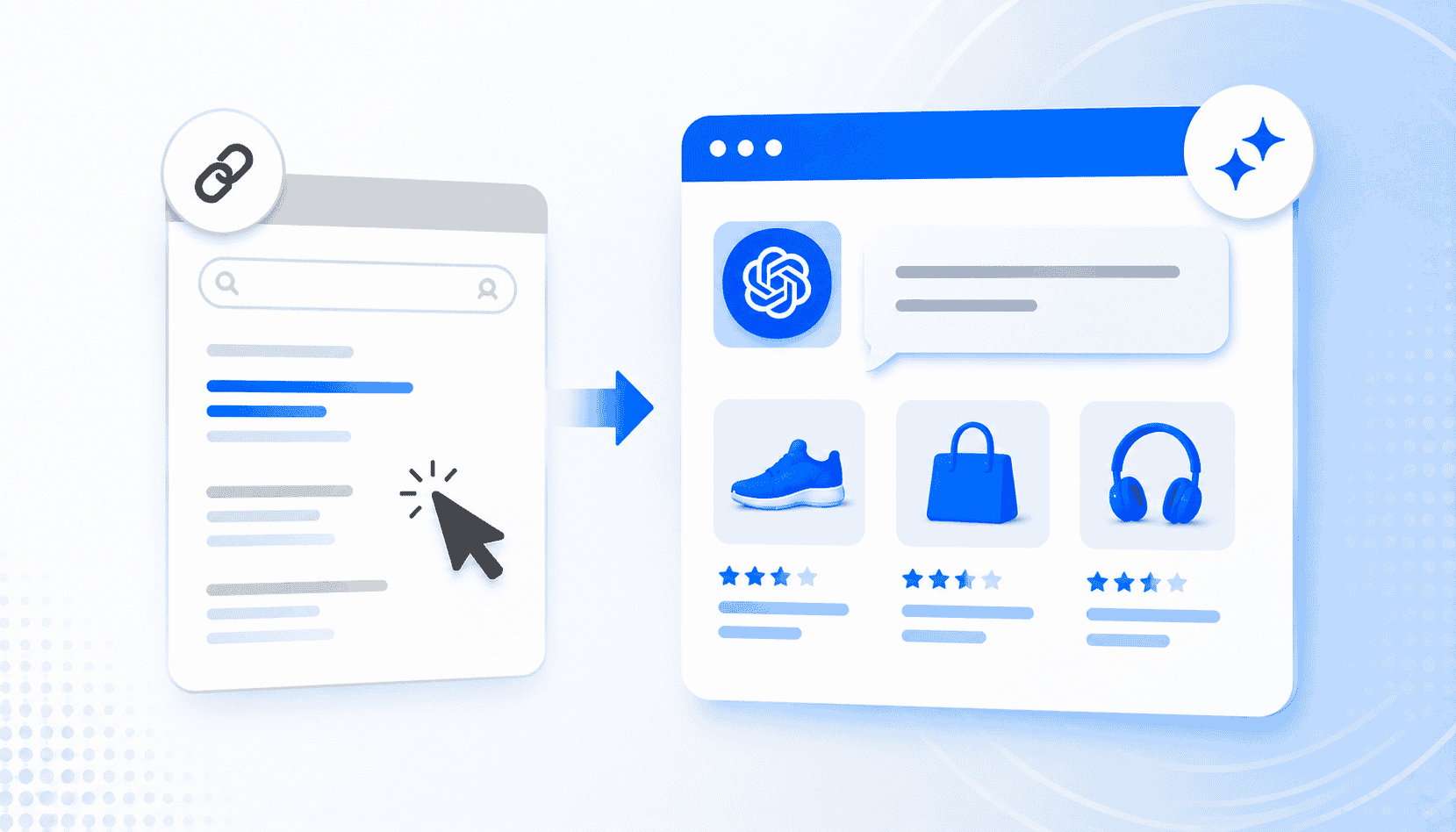
Google's I/O 2026 keynote signalled the end of search as a traffic distribution channel. For ecommerce, this is not a marketing recalibration — it is an infrastructure problem. The brands engineered to be discovered, parsed, and cited by AI crawlers will define the next decade of online commerce. Everyone else will keep watching their impressions evaporate.
The Keynote Most People Misread
Tuesday's Google I/O keynote in Mountain View will be remembered for the demos — agents booking salons on cue, generative dashboards drawing themselves into the results page, a Universal Cart that closes the entire buying loop without leaving Google. The technology was impressive. What was easy to miss, underneath the polish, was the strategic admission running through all of it.
For two decades, Google's value proposition to the open web was straightforward: it indexed your pages and sent you visitors. That bargain has now been quietly dissolved. I/O 2026 made it official. Search is no longer the doorway to the internet. It is the room users never need to leave.
For ecommerce leaders still building their 2026 plans around organic traffic targets, the implications are immediate and unforgiving.
Four Shifts, One Story
The announcements that matter for ecommerce fall into four buckets:
- A reimagined search box, now powered by Gemini Flash 3.5, that behaves more like a conversation than a query field. It accepts images, files, and videos. It expands to accommodate long, layered questions. It anticipates intent before the user finishes typing.
- Information agents that run continuously on the user's behalf — combing through listings, monitoring inventory, even contacting businesses to book appointments. The user effectively disappears from the funnel.
- Generative interfaces and Mini Apps that assemble entire interactive experiences inside the results page. A weekend planner. A meal tracker. A wedding dashboard. Built on demand, customised to the user, and never requiring a visit to any third-party tool.
- A Universal Cart that lets users add products from anywhere across Google's ecosystem — Search, Gemini, YouTube, Gmail — and check out via Google Pay. The merchant becomes a backend fulfilment partner, not a destination.
Each is individually disruptive. Together, they close every exit door ecommerce brands have relied on for traffic.
.png)
The Data Has Already Arrived
For anyone hoping this is theoretical, the numbers have already spoken. Ahrefs studied 300,000 keywords and found that AI Overviews correlate with a 58% reduction in click-through rates for top-ranked pages. The CTR of the number-one organic position — for two decades the most valuable real estate in digital marketing — fell from 7.3% to 1.6% on queries where AI Overviews appear.
Seer Interactive measured a 61% drop in organic CTR on those same queries. And as of early 2026, roughly 58% of all Google searches conclude without the user clicking through to any external site. These are not soft signals. This is the floor breaking.
I/O 2026 only accelerates the descent. Generative interfaces deliver answers in-page. Agents transact silently. Mini Apps replace standalone tools. Universal Cart removes the final reason a buyer might step outside Google's ecosystem.
The Counterintuitive Pattern Worth Studying
Layered inside this collapse is a finding that should rearrange every ecommerce marketing budget. Branded queries are not declining in AI search. They are improving. Seer Interactive's data shows that brands cited inside AI Overviews are earning 35% more organic clicks and 91% more paid clicks compared to brands that aren't mentioned.
The asymmetry is striking. AI search amplifies brands the user can already name. It absorbs the ones they cannot.
This rewrites the brand-versus-performance debate that has dominated ecommerce marketing for the last decade. Brand investment, long treated as a soft, hard-to-attribute line item, is now the most direct hedge against algorithmic disruption a CMO can make. Recognition compounds across organic, paid, and AI surfaces simultaneously. It is no longer the patient-capital play. It is the only play whose returns are visible in the short term.
A parallel shift is unfolding in the objective of search itself. The goal is no longer ranking. It is being quoted. When an AI Overview attributes a claim — "According to [Brand]…" — the user may never click, but the recall is real, and the next time they search by name, your brand benefits twice over. Citation is becoming the new ranking, and citation share is the metric ecommerce marketing leaders need to start tracking before the year is out.
Why "Doing More SEO" Will Not Save You
The first instinct in most ecommerce marketing teams will be to publish more. More blogs. More long-tail keywords. More schema. More content optimised for "AI search." Whichever agency is selling that month will happily sell it.
This will not work, and the reason it will not work is technical, not strategic. AI crawlers are a different species from Googlebot. They are faster, more selective, and operate under significantly tighter render and time budgets. They strongly prefer clean, server-rendered HTML over JavaScript-heavy pages. They reward sites that load quickly, expose structured data, and serve content in formats they can parse without ambiguity.
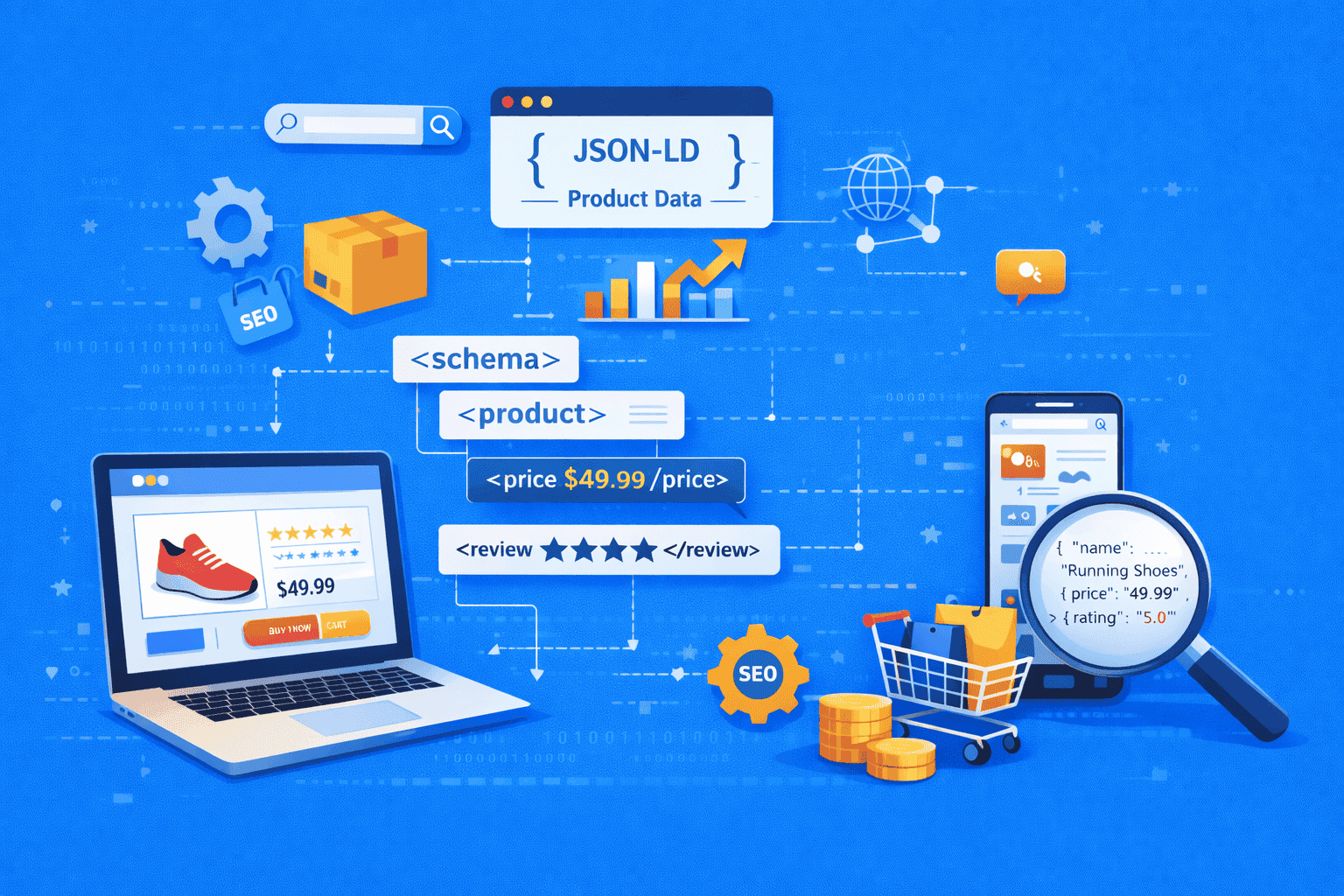
The average ecommerce storefront — whether built on Shopify, BigCommerce, SAP Commerce, or commercetools — is engineered for human shoppers, not machine readers. Heavy client-side rendering. Slow first-contentful-paint. Bloated DOM trees. Inconsistent or sparse structured data. Render-blocking third-party scripts. Critical product data tucked behind JavaScript calls that AI crawlers either skip or misinterpret.
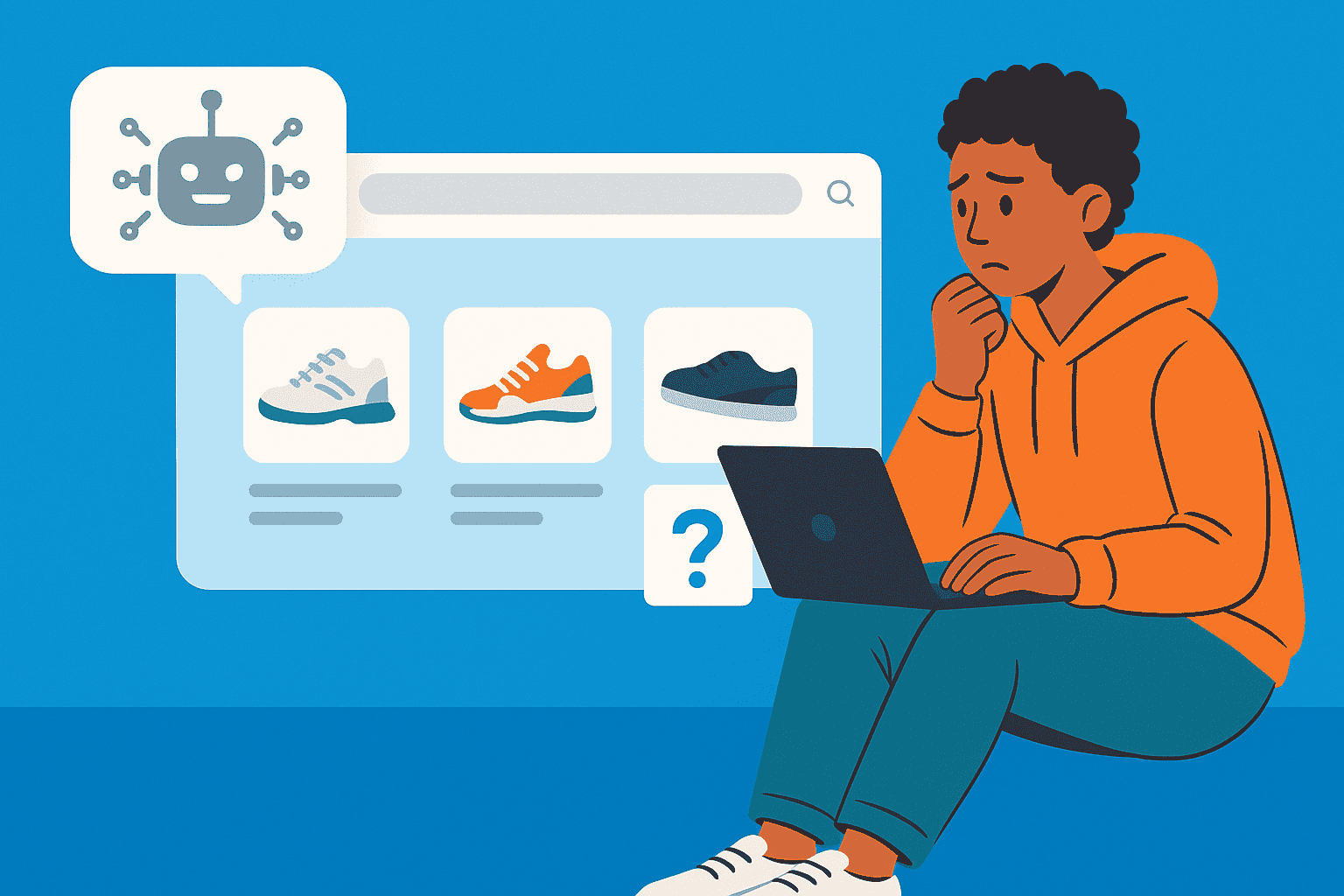
When an AI crawler can't read your storefront cleanly, you don't get cited. When you don't get cited, you don't get discovered. And in a search landscape where citations are beginning to matter more than rankings, this is the silent failure that will determine which brands survive the next three years. This is not a content problem. It is a crawl infrastructure problem. And it is the one almost no one in ecommerce is talking about enough.
Where N7 SERA-GPT Fits
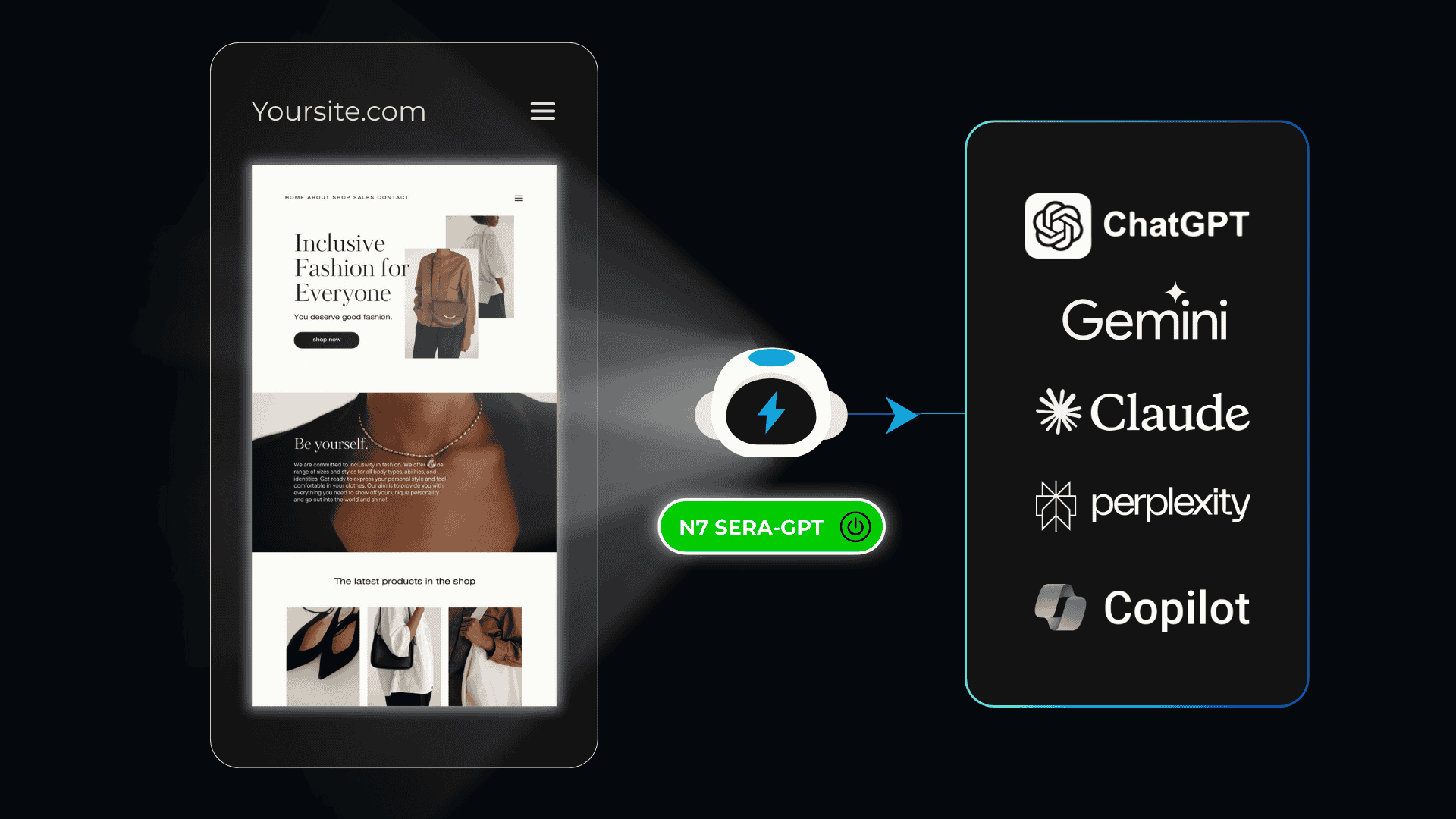
N7 built SERA-GPT to close exactly this gap. SERA-GPT generates an AI-optimised mirror of your storefront — a parallel, structurally clean version of your site engineered for how Google's and GPT's crawlers actually consume content. It strips out the rendering bottlenecks, restructures content into the kind of clean, citation-ready passages AI systems prefer, and serves a fast, parseable version of your storefront to every major AI crawler in the ecosystem.
The measurable outcomes:
- 5–20x faster crawls, because AI bots no longer have to wait for JavaScript to resolve, fight through bloated markup, or abandon pages mid-render.
- A larger surface area for AI citations, because your storefront becomes a structurally cleaner, more authoritative source than competitors still serving render-heavy versions of the same product universe.
This is not SEO. It is not a content add-on. It is not another schema plugin. It is crawl infrastructure built for an era where the first audience for your storefront is an AI system, not a human visitor.
Two Moves for the Next Planning Cycle
For ecommerce CMOs and marketing teams, reorienting around this shift, three priorities deserve to surface in the next planning conversation.
- Fund brand. The evidence is no longer ambiguous. Branded queries are the only segment growing in AI search. Every dollar spent on recognition compounds across every surface — organic, paid, AI Overviews, agentic responses. Brand is no longer the patient capital of marketing. It is the most efficient performance investment available.
- Replace ranking with citation share as your AI search metric. Track how often your brand is referenced inside AI Overviews, AI Mode summaries, and agentic responses. Build content engineered to be quoted, not just read. Build storefronts engineered to be parsed, not just visited.
Where This Leaves the Industry
I/O 2026 is a hinge moment. It marks the point at which ecommerce search stopped being about distribution and started being about recognition. The brands that already command name recognition are being amplified. The brands that do not are being absorbed into AI summaries that nobody attributes. Beneath both, a quieter contest is unfolding — between storefronts engineered to be ingested by AI systems and storefronts still optimised for a search model that no longer exists.
The predictable, near-free traffic that built two decades of digital ecommerce is not coming back. What replaces it rewards three things: brand recognition, citation authority, and technical readiness for AI crawlers. Brands that have invested in all three will spend the next decade compounding. Brands that have not will spend it explaining traffic declines to their boards.
The window to act on this is narrower than it looks.
See if your storefront is AI-crawl ready. Reach out to n7sales@n7.io.
.png)