The Surprising Place Your Ecommerce Customers Are Shopping (And Why Your Products Are Invisible There)
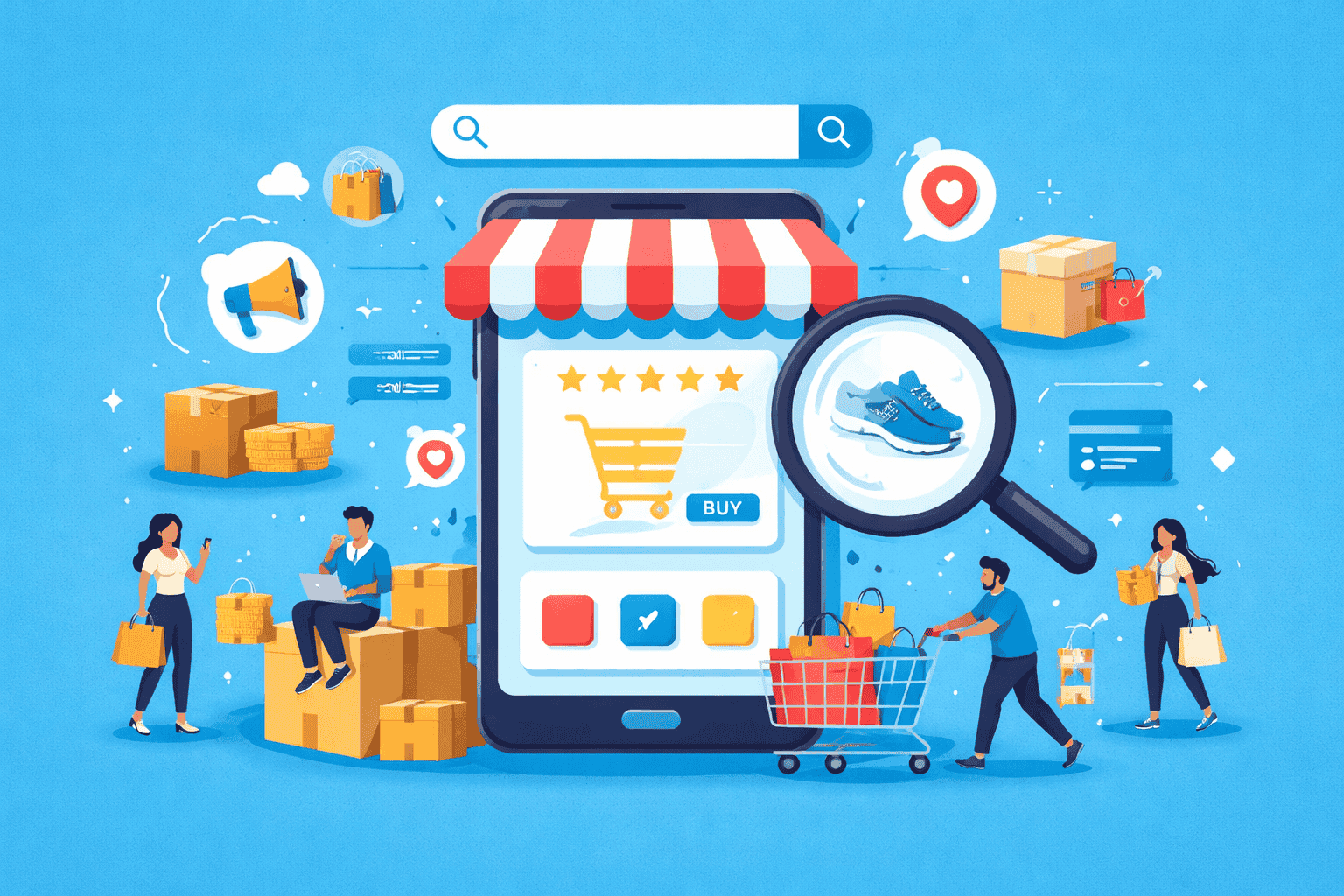
Product discovery is in its "Reset Era" – driven by AI shopping assistants, evolving consumer behaviour, and a growing awareness that the path to purchase has fundamentally changed. The badge of honour is no longer "ranking #1 for product keywords." It’s "being discovered when shoppers are actually ready to buy."
After years of treating product SEO like a formula – "Optimize those product titles! Build those category pages! Target those high-intent keywords!" – you’re finally waking up to a new and game-changing reality:
What if ranking on Google is just the beginning? What if the real metric is whether AI can recommend your products at all?
The Moment You Realize Your Own Shopping Has Changed
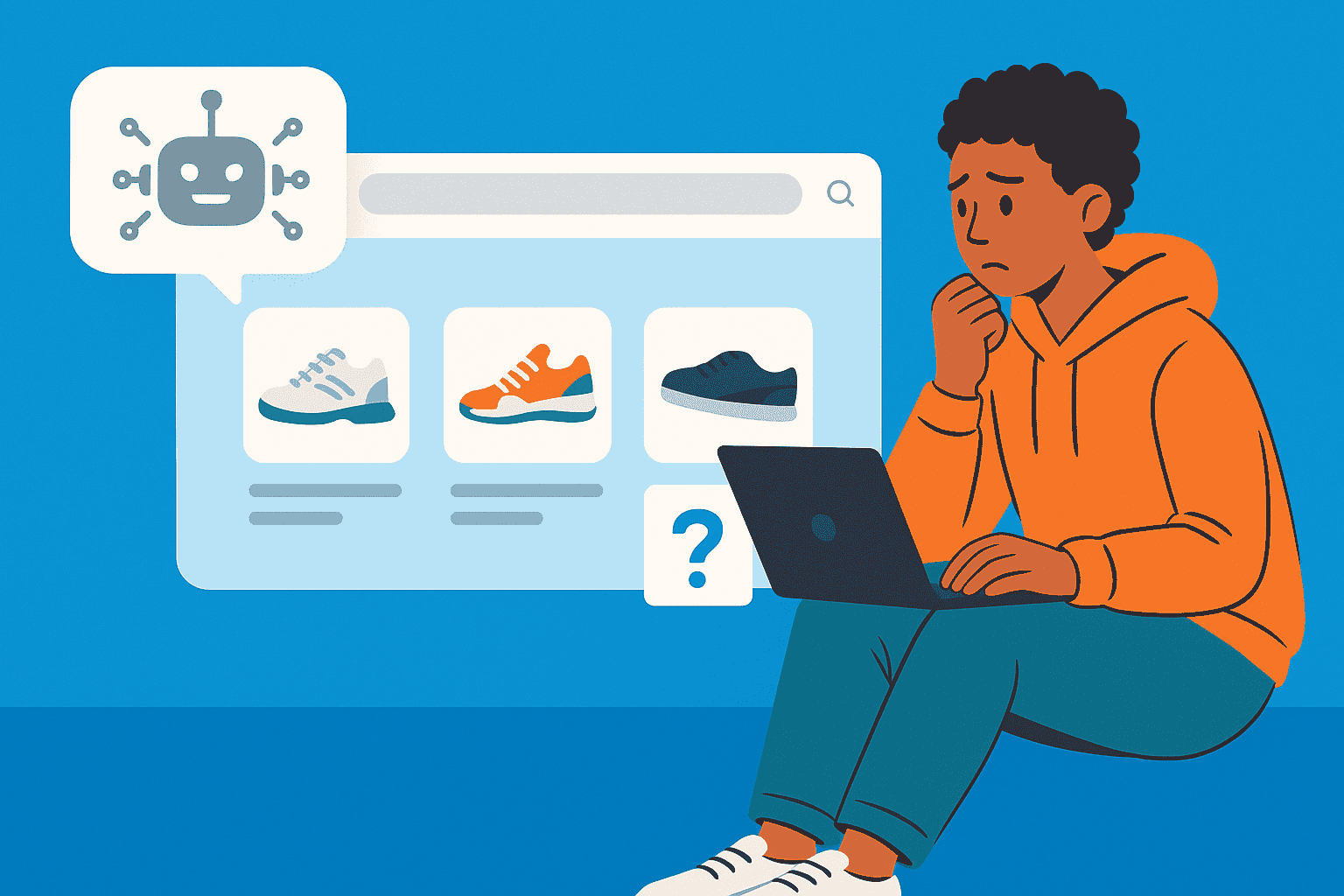
Think back to a recent purchase. Maybe you were shopping for a microphone, a coffee maker, or running shoes. Did you do something you’d never done before? Did you skip the Google search and go straight to ChatGPT?
Why would you do that?
Not because you hate Google Searches (it’s still great). But because you were too lazy to research through hundreds of comparison lists available online. For years, you shopped like everyone else. Google "best microphones." Click through ten reviews. Open fifteen tabs. Compare specs on spreadsheets. But this time, instead of spending 5 hours on the whole process, you try something new: You open ChatGPT: "I want a microphone which has great noise cancellation and can be used for video recording even in noisy environments like a park. What should I get?" Ten seconds later, you have three specific recommendations with reasoning. You ask follow-up questions. It remembers your budget. It warns you about maintenance. Then you ask Claude to fact-check. You use Google to find the best prices. Each tool has a role. But here’s the thing: The brands AI recommends aren’t always the ones that rank #1. Some brands you’ve never heard of get suggested because AI understands they solve your specific problem. Now ask yourself: If you bought a Rs 10k gadget without ever clicking a traditional search result, what are millions of other shoppers doing?
The Real Cost of AI Invisibility in Commerce
As a commerce brand, you talk a lot about "product feed optimization." Perfect your titles here. Enhance your descriptions there. Make sure every SKU is crawlable and indexed. And that’s still important! Traditional product SEO still drives massive traffic and revenue.
But you’ve been so focused on feeds and rankings that you’ve missed something fundamental: Shoppers are having conversations about what to buy, and AI is participating in those conversations. When AI doesn’t know your products exist, you’re not in the race.
The 5 Principles of AI-Era Product Discovery
#1 Expand your definition of product visibility.
Traditional product SEO is not the complete picture anymore. Your customers ask Google, scan through AI overviews, and then ask ChatGPT for recommendations. Visibility means being discoverable across their entire shopping journey, not just one moment of it.
#2 Evaluate success through the lens of consideration, not just impressions.
What looks successful in Google Search Console is great! But it’s partial success if you’re invisible when shoppers are forming their consideration sets. A customer might interact with AI tools before clicking that Google Shopping ad. If you’re absent from those earlier conversations, you’re buying your way into a race you’ve already lost.
#3 AI discoverability is a revenue problem, not just a technical/marketing problem.
How findable your products are to AI directly impacts your top-line growth. Every missed recommendation. Every time a competitor’s product gets suggested while yours stays silent. This isn’t your dev or marketing team’s problem to solve alone. It’s a strategic priority that impacts your customer acquisition cost, conversion rate, and lifetime value.
#4 Test what AI actually knows about your products.
Your e-commerce team needs to understand the full picture of discoverability. You need to know: Can ChatGPT recommend your products? Does Gemini understand what problems they solve? When someone asks Copilot "what should I buy for X," do your products appear? Tools that help you improve AI discoverability across shopping contexts become essential. You can’t fix gaps you can’t see.
#5 Shoppers don’t separate their research from their buying.
Your customer doesn’t think "I’ll use AI today, Google tomorrow." They flow between experiences based on their needs in that moment. An AI conversation leads to a brand search leads to a purchase. If your visibility strategy treats these as separate, you’re fragmenting your presence in a journey that’s actually continuous.
The Future of Being Found (And Purchased)
Now the commerce game is about the opportunity cost of invisible products. What’s the price of being present on Google but absent when shoppers ask "what should I buy"? Of letting competitors influence purchase decisions during AI conversations while you stay silent? Of spending six figures on product content that works beautifully in feeds but means nothing to AI?
Partial discoverability is leaving revenue on the table. The winners are the brands that exist wherever customers shop for solutions – and the CMOs who see AI discoverability not as a nice-to-have, but as a competitive necessity.
The most strategic question you can ask yourself is: When customers ask AI to help them shop, are your products part of the conversation?
How discoverable you are shapes whether customers consider you. And whether they consider you shapes... well, everything.
.png)